500 Sanabil
Last week Pvotal was selected to attend 500 Sanabil, an intensive 5-day bootcamp held in Riyadh, Saudi Arabia...
Why Your CI/CD Credentials Are a Time Bomb
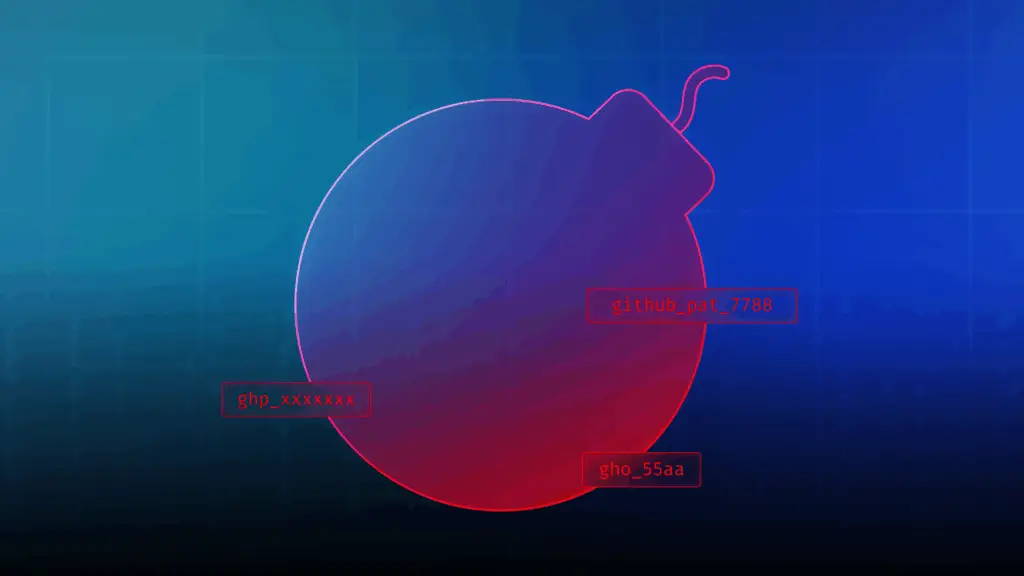
The recent post-mortem from the "Shai Hulud" supply chain attack serves as a warning: all long-lived credentials will leak eventually. The attackers method was ruthlessly efficient: stealing a single, long-lived GitHub Personal Access Token (PAT) from a CI runner, which then served as a beachhead to steal subsequent secrets (like NPM tokens and cloud credentials) and compromise the entire deployment chain. The conclusion is simple for organizations committed to secure GitOps principles: PATs are obsolete and pose an unacceptable supply chain risk. At Pvotal, we recognize that the weakest link in platform automation is always the credential that manages your code. That is why infrastream is engineered to eliminate PATs entirely, enforcing a zero-trust architecture through automated, short-lived tokens. The Catastrophic Blast Radius of a Stolen PAT The danger of the traditional PAT is its ability to lead to a cascading security failure across your entire infrastructure, as demonstrated by the Shai Hulud campaign: Initial Breach: The attackers leveraged a malicious NPM package, triggered during the build's preinstall phase. The malware's first objective was to scrape the running environment for static credentials, namely a GitHub PAT. Escalation & Secret Theft: Using the stolen PAT as an initial access key, the malware was then able to perform privileged actions, such as: - Stealing critical, secondary secrets stored in the CI environment (cloud API keys for AWS, GCP, and Azure, database passwords, and NPM tokens). - Exfiltrating this harvested data to public attacker-controlled GitHub repositories. Worm-like Propagation: With a valid NPM token, the malware could authenticate to the registry, identify other packages owned by the victim, inject malicious code into them, and publish new, compromised versions. This created an exponential, self-replicating threat that spread at the speed of CI/CD pipelines. This systemic risk is intolerable: trusting a single, long-lived token to remain secure for months is negligent when that token can unlock your entire cloud infrastructure. Infrastream’s Principle: Automation as Governance The technical solution is moving from human-owned PATs to machine-owned, short-lived credentials issued by a GitHub App. While tools like Chainguard's OctoSTS prove the need for this IAT-based approach, infrastream integrates and automates the secure deployment model for the enterprise. Infrastream eliminates this critical vulnerability by: Eliminating Persistent Secrets: The platform handles the underlying complexity of managing IATs, ensuring the tokens are ephemeral (valid for a maximum of one hour) and tied to the platform's identity, not a user's. Enforcing Granularity (Split-Token Architecture): We mandate a two-token architecture for every client installation to enforce the Principle of Least Privilege: - The Read-Only App: Used for analysis, linting, dependency scanning, and security checks. If leaked, an attacker cannot modify code. - The Read/Write App: The high-privilege token used only by the control plane during the final deployment step, isolating write capability to the narrowest window. In conclusion, the manual rotation of long-lived PATs is an engineering liability that grants attackers a persistent foothold in your sensitive environments. Modern security dictates that if a secret must exist, it must be ephemeral and tied only to the precise task it is performing. Infrastream eliminates this critical supply chain risk by automating the entire lifecycle of secure credentials, by enforcing the use of short-lived IATs via GitHub Apps and mandating a granular, two-token architecture for every customer. For modern enterprises, a standardized and automated infrastructure is essential to realizing the security and scalability promises of GitOps. Sources: LinkedIn Post Posthog Article Riptides Post
Are you ready for Black Friday ?

Peak seasons such as Black Friday and Cyber Monday represent the ultimate stress test for any digital enterprise.
AI Cyber Attacks

In the AI era, cybercrime isn’t just fast, but it’s intelligent, hyper personalised, and often invisible to legacy tools.
NorthSec 2025; How To Solve Each Flag
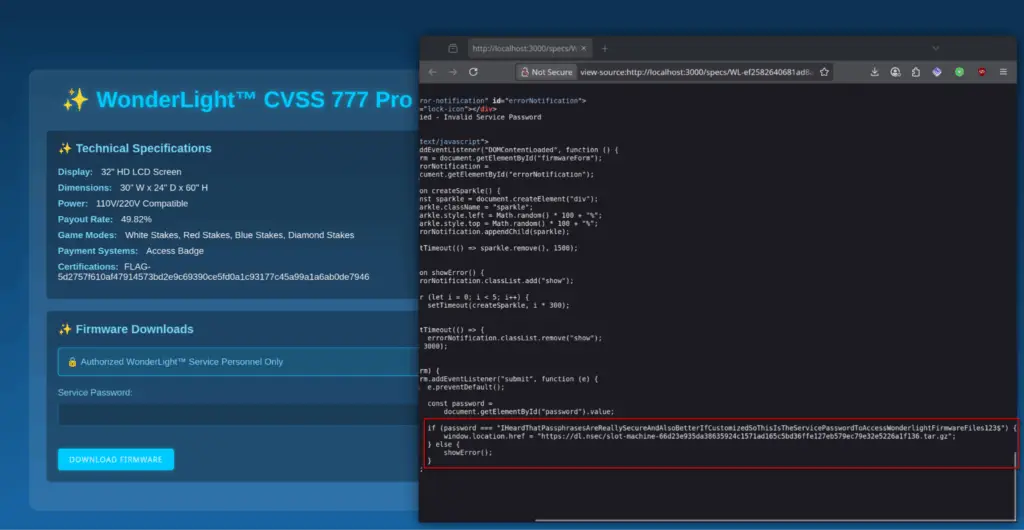
The easiest flag was found within the slot machine's reels. It replaced the symbols for a "minor jackpot".
NorthSec 2025: My Experience as a Challenge Designer
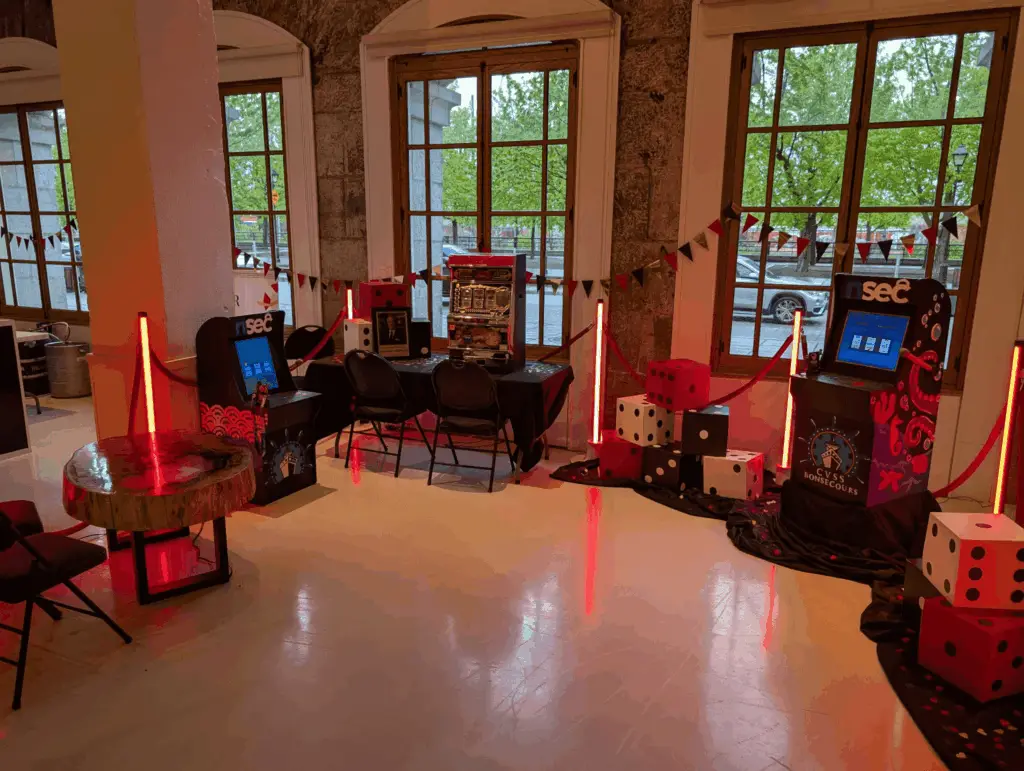
NorthSec is a cybersecurity event renowned for hosting one of the world's largest on-site Capture The Flag (CTF) competitions
Mojo Performance Analysis
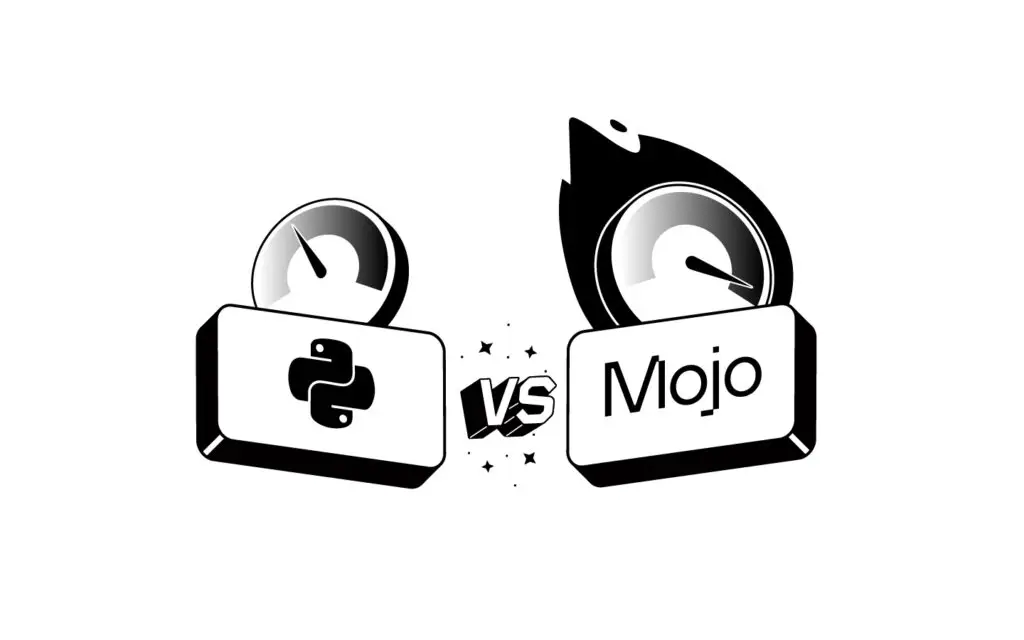
This study evaluates the performance of matrix multiplication and linear regression implementations in Mojo and Python
Women in Tech: The Room, The Table, and The Mic
If you’re a woman in tech, you’ve probably been in that room.
2025 Trends in Digital Product Lifecycle: Sustainability, A.I., and Security
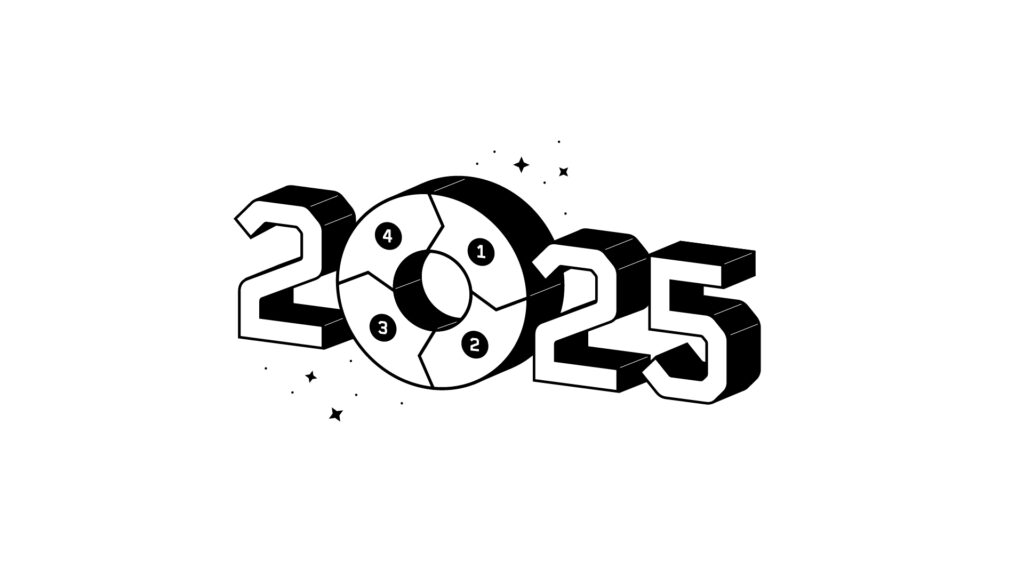
As the digital world continues to evolve, so does the way we ideate, design, create and deliver products.
DeepSeek’s R1 Models Shocks the World

DeepSeek’s latest R1 models have been making waves worldwide, largely due to their pioneering approach to artificial intelligence...